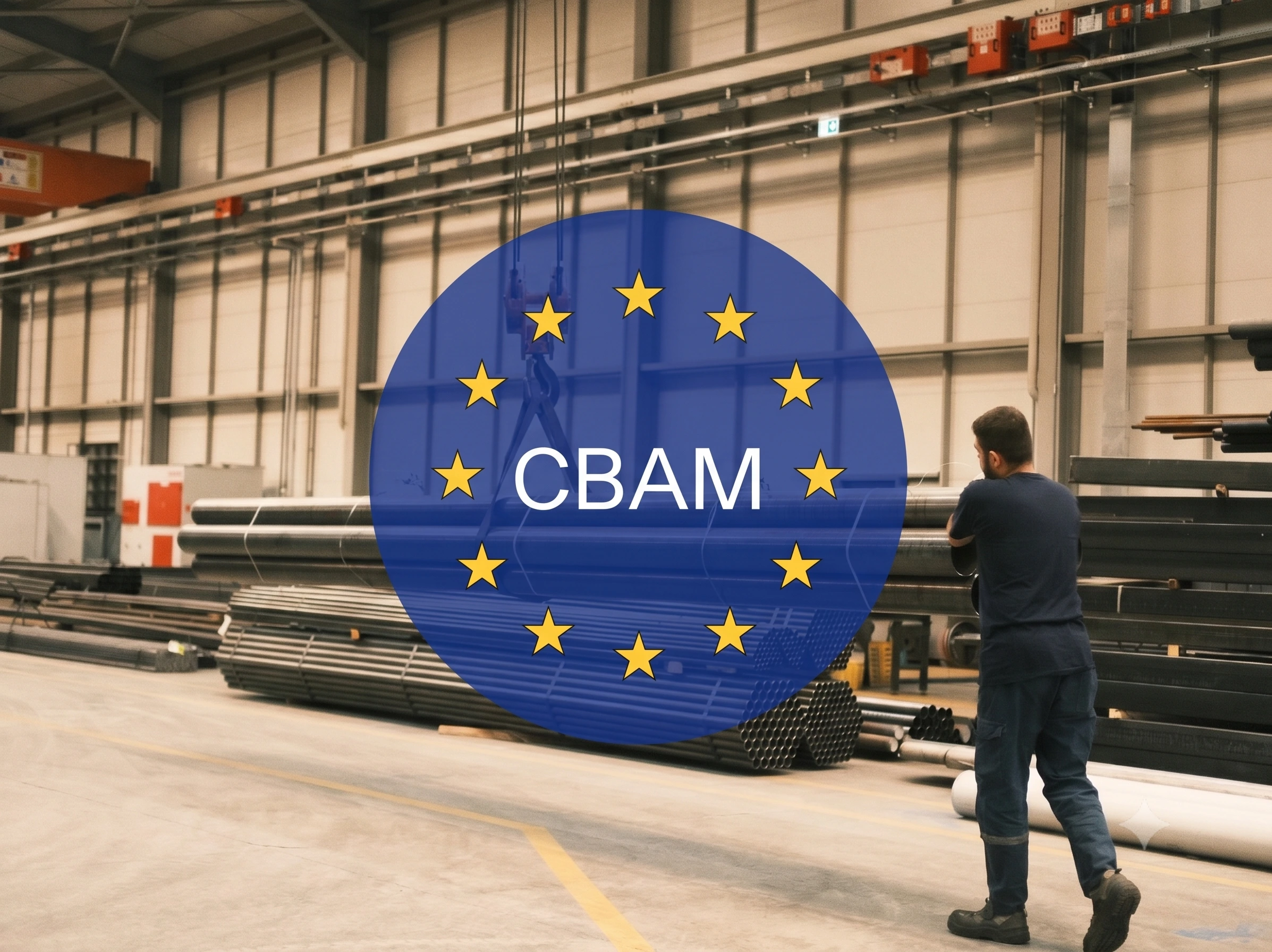
The European Union's Carbon Border Adjustment Mechanism (CBAM) has fundamentally reshaped the international trade landscape for energy-intensive materials. With CBAM now in its definitive phase, carbon compliance is no longer a forward-looking ESG initiative—it has become a mandatory operational requirement for European manufacturers and procurement professionals.
For companies sourcing flat metal products, particularly stainless steel precision strips, stainless steel coils, and aluminium coils, understanding and complying with CBAM requirements is essential for maintaining uninterrupted supply chains and avoiding significant financial penalties.
The EU Carbon Border Adjustment Mechanism (CBAM) is a landmark environmental policy designed to align the carbon costs of imported goods with those produced within the European Union. Under the EU Emissions Trading System (EU ETS), European manufacturers are required to pay for their carbon emissions. CBAM ensures that imported goods from non-EU countries are subject to an equivalent carbon cost, helping prevent carbon leakage while encouraging cleaner manufacturing practices worldwide.
The key elements of the definitive CBAM framework include:
Both iron and steel products — including cold-rolled stainless steel precision strips and coils — as well as aluminium products, including coils and sheets, fall directly within the scope of the CBAM regulation.
For buyers of flat metal products, every shipment entering the European Union carries a carbon profile based on two primary categories of emissions:
Greenhouse gas emissions generated directly during the manufacturing process at the production facility, including melting, refining, and hot or cold rolling operations.
Carbon emissions associated with the electricity consumed during production. These emissions are receiving increased regulatory scrutiny, particularly for energy-intensive materials such as aluminium.
Importing stainless steel or aluminium without reliable carbon intensity data exposes buyers to significant financial risk. If verified, installation-level emissions data is unavailable, default emission values may be applied. These default values are often considerably higher than actual emissions, substantially increasing the cost of purchasing and surrendering CBAM certificates.
Compliance with CBAM extends well beyond standard customs documentation. The European Commission has established rigorous verification procedures to ensure the accuracy and integrity of emissions data throughout global supply chains.
Key compliance requirements include:
Successfully navigating carbon compliance requires a supply partner with expertise in both technical metal specifications and the evolving European regulatory environment.
At DMC NRG, we continuously monitor changes to EU trade regulations, EORI requirements, customs procedures, and CBAM guidance to ensure that our stainless steel and aluminium supply chains remain fully compliant with European legislation.
By working closely with carefully vetted manufacturers and providing complete transparency regarding material origins, technical specifications, and supply documentation, we help our European clients source high-quality stainless steel precision strips, coils, and aluminium products while minimizing regulatory, operational, and financial risks.

Explore expert tips, industry trends, and behind-the-scenes stories from the world of metal fabrication and manufacturing.
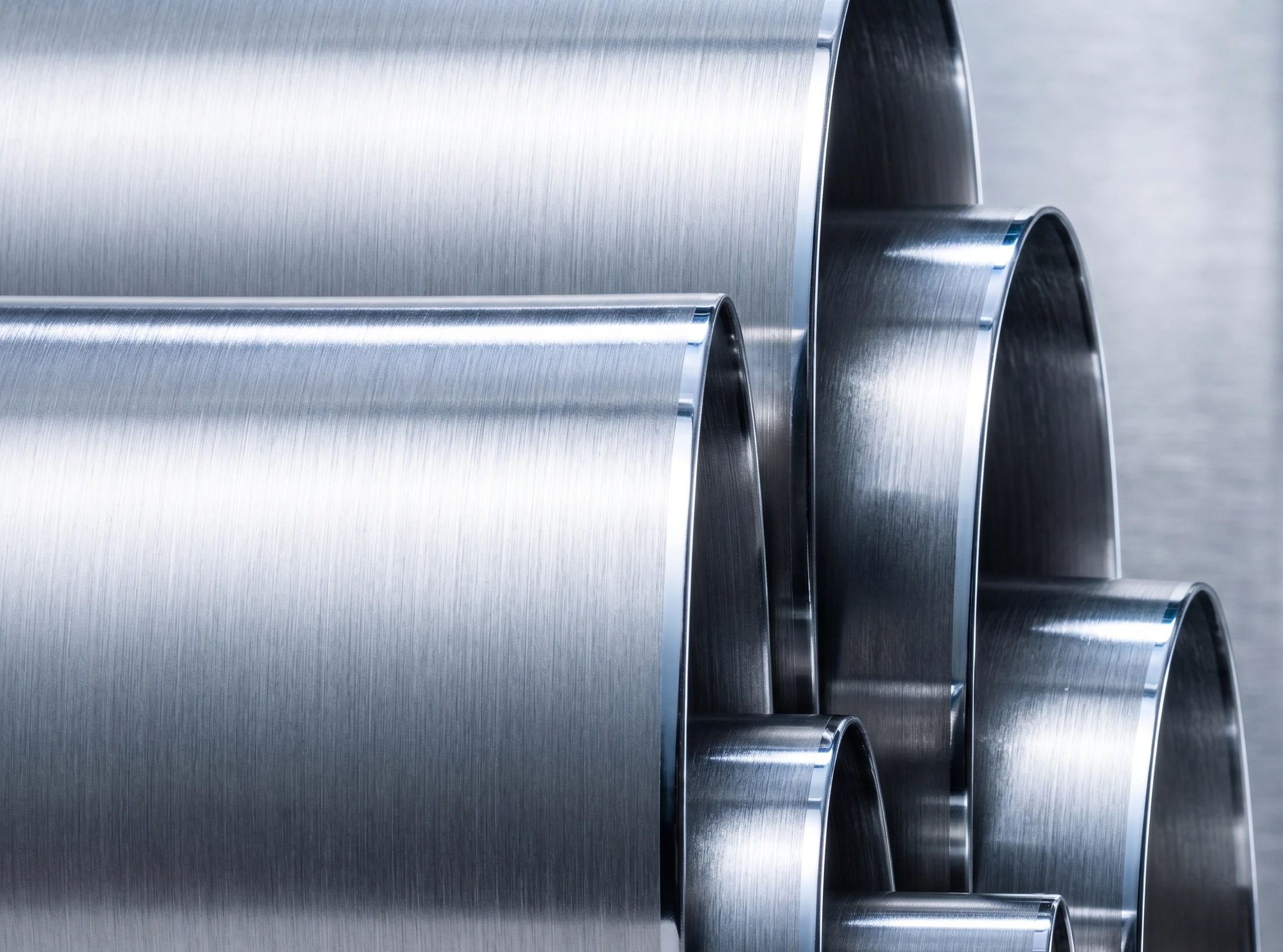
A practical guide to selecting stainless steel precision strip, covering tolerances, material grades, mechanical tempers, edge conditions, and coil configurations for high-performance manufacturing.
Explore expert tips, industry trends, and behind-the-scenes stories from the world of metal fabrication and manufacturing.

We're here to be a partner who understands your challenges, creating portfolio of products, which can help you differentiate your business, lower cost and improve profitability - all in a sustainable manner.